The source song
Encounter the history, imagery, and human question at the lesson’s heart.
Know yourself. Know your voice.
Discover your part in music’s continuing legacy.
Connect four songs through history, listening, and expression to deepen awareness of your voice—and your commitment to the music you carry forward.
Begin with a webinar led by Rosena M. Hill Jackson, creator and founder of Sing to Success in Succession™ and a Broadway Legacy Robe recipient.
Begin with the webinar Discover the program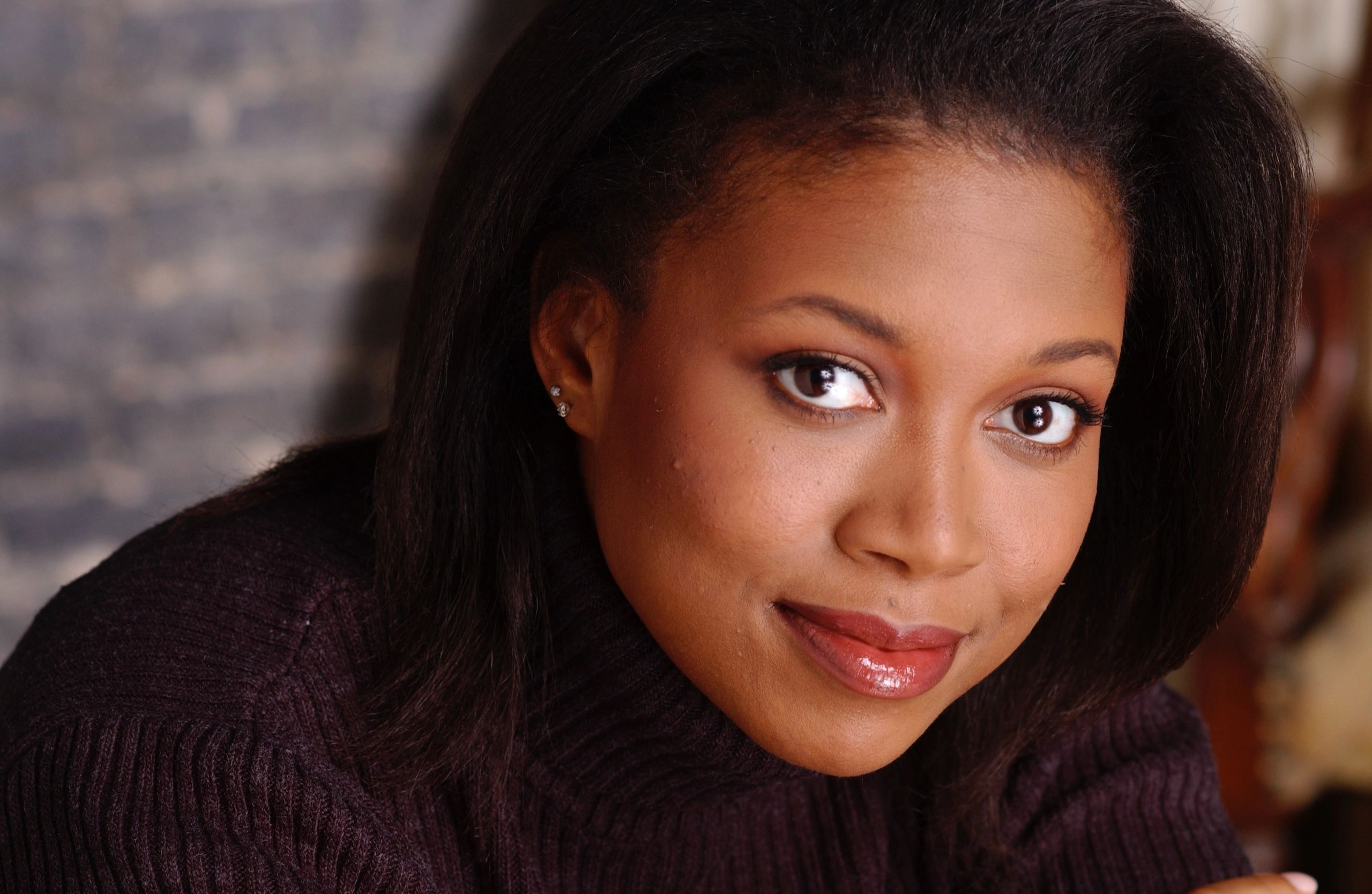
Pronounced roh-ZEE-nah
Creator and founder of Sing to Success in Succession™
Rosena brings professional performance experience and purposeful voice pedagogy together to help you understand your voice, connect to your musical agency, and make informed expressive choices as you prepare for your personal goals and opportunities.
Explore Rosena’s work & philosophy
Broadway Legacy Robe recipient
11 Broadway productions
BFA in Music
Carnegie Mellon University
Master of Voice Pedagogy
Westminster Choir College at Rider University
More than ten years of teaching
Dozens of regional theater credits; multiple national and international tours; dozens of solo appearances with symphony orchestras; multiple professional opera credits; tribute shows celebrating Sarah Vaughan and Billie Holiday; and multiple recordings.
Her voice has also served countless church services, nursing homes, weddings, funerals, and community events—in venues large and small. Across those settings, she shares her gift and calling as a singer and educator.
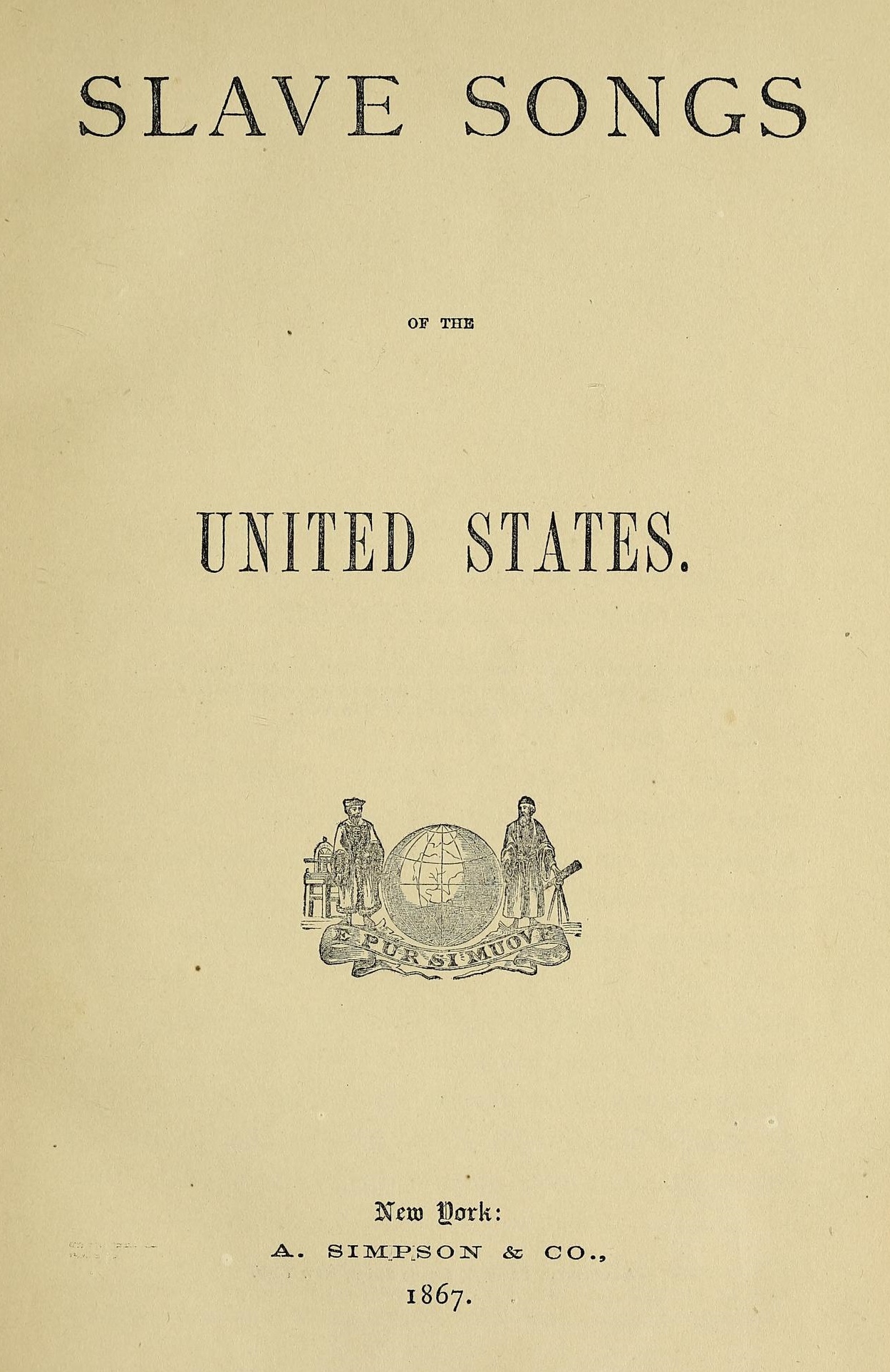
At the heart of this program are the 136 songs published in Slave Songs of the United States. Carried through Black American communities, these songs offer expressions of faith, sorrow, courage, longing, humor, and hope.
We honor their histories as we explore what singing can reveal about identity, belonging, expression, and the desire for freedom.
“I believe these ancestors are still speaking—and that listening with courage can offer guidance for our voices today.”
— Rosena M. Hill Jackson
Explore Rosena’s performances, teaching, and reflections on social media. Begin listening and discover what these songs invite you to notice.
Visit the YouTube channelEach tetralogy connects one song from Slave Songs of the United States (1867), one selection from foundational classical vocal repertoire, one Black American-rooted or influenced popular song, and one American or British musical theater song. Historical events help us explore their meanings and relationships.
Encounter the history, imagery, and human question at the lesson’s heart.
Explore another poetic perspective, language, and musical setting.
Listen for expression, musical inheritance, and transformation.
Carry your understanding into character, circumstance, and dramatic action.
American musical theater has built much of its expressive power and popular success through American popular music. Black American music has been foundational to that popular music, with slave songs and Negro spirituals among its enduring sources.
These songs carry West and Central African music making traditions, preserved and transformed by enslaved, free, and Maroon Black communities. Singing, dance, movement, storytelling, and—in many settings—ceremonial dress belong together in this history.
These developments overlap and branch. The dates below are broad periods of emergence or wider recognition, not a claim that one style simply became the next.
Before emancipation
Slave songs, secular and sacred, including Negro spirituals; work, worship, dance, and communal expression.
Late 1800s–early 1900s
Blues, ragtime, and early jazz take shape through overlapping developments.
1920s–1930s
Recorded country, gospel, and swing expand; Black and other American music making traditions intersect in recordings, worship, and dance.
1940s
Bebop, bluegrass, and the sounds increasingly marketed as rhythm and blues emerge along distinct paths.
Late 1940s–1960s
Cool jazz, rock and roll, soul, and funk develop in overlapping periods, with new approaches to listening, dancing, and performance.
Across the twentieth century and into today
Pop continually absorbs changing influences; hip-hop, contemporary R&B, and further innovations extend Black music’s worldwide impact through sound, movement, and story.
Explore the history: Griots and oral tradition · African American song · Bluegrass · Rhythm and blues
“These songs deserve a serious, foundational place in voice education—helping us connect vocal freedom with character, meaning, and musical legacy.”
Sing to Success in Succession™
All skin colors, ethnicities, spiritual beliefs, nationalities, genders, and social and economic backgrounds are welcome. For singers: connect technique with intention and character. For music lovers: deepen listening and discover what songs can reveal. For parents exploring voice education for a young person: begin with the webinar to understand the approach and consider whether it fits their readiness.
Discover why this repertoire belongs in voice education and how to connect vocal awareness, expression, and meaning. Begin here to decide whether the continuing course is right for you or your young singer.
Registration details will be announced.
Turn discovery into continuing practice through guided lessons, four-song explorations, and reflection. Build understanding over time, with listening and singing opportunities suited to your readiness.
Membership enrollment details will be announced.
Ask about the webinar, membership, or learning opportunities for you or your child.